
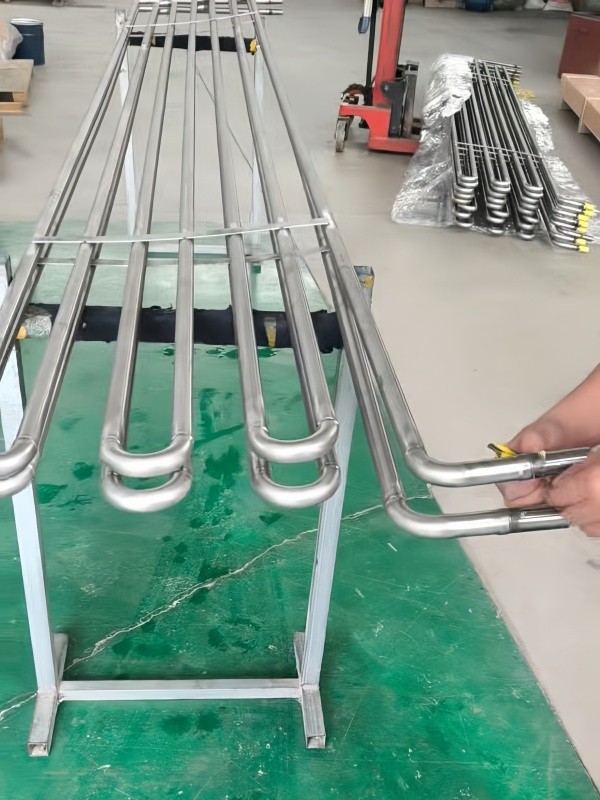
What is titanium coil? Titanium coil is a heat exchange element made by bending and coiling titanium or titanium alloy pipes into a spiral, serpentine, rectangular, or U-shaped shape. It is mainly placed inside the container and heats or cools the external medium by introducing steam, hot water or refrigerant into the tube.
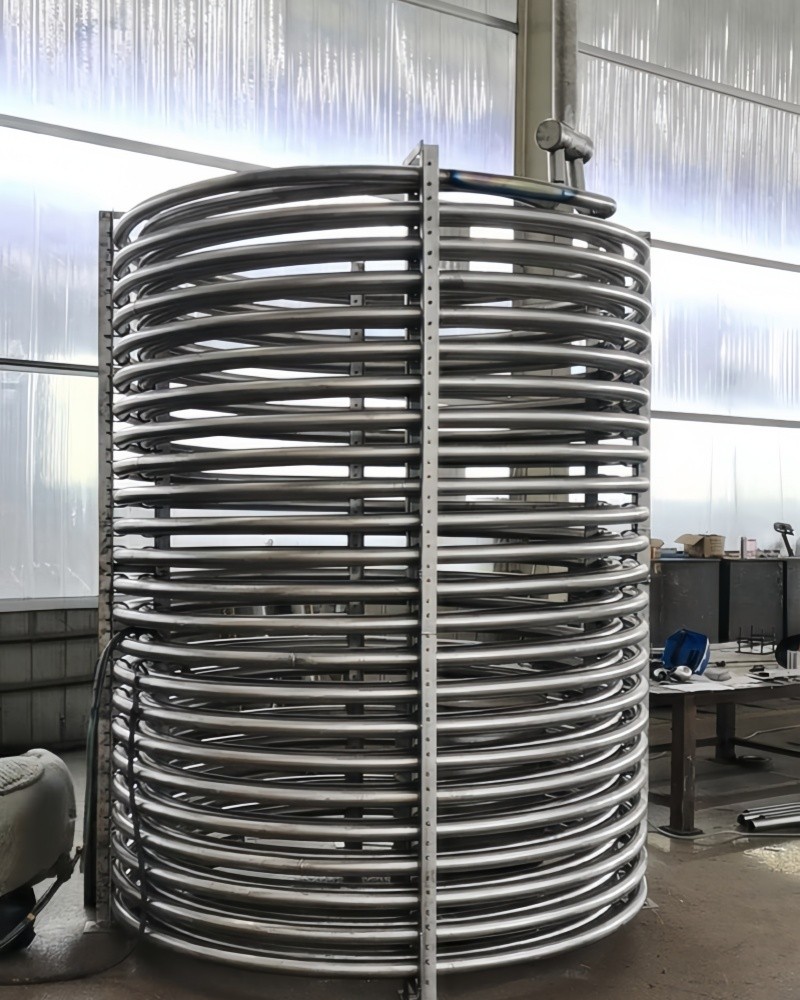
Why choose titanium as the coil material? Because of several "superpowers" of titanium: extremely strong corrosion resistance, high specific strength, density only about half of steel, but not low strength, and obvious advantages in lightweight. Why is choosing titanium coil more cost-effective? Although the initial investment is relatively high, it is often more economical from a full lifecycle perspective: the corrosion resistance life can reach 5-10 times or even longer than stainless steel. The wall thickness can be made thinner (with less corrosion allowance), resulting in higher heat transfer efficiency. The surface is not prone to scaling and has a low maintenance frequency.
How is titanium coil made? The production process is not simple, as titanium is prone to react with oxygen, nitrogen, and hydrogen at high temperatures, leading to embrittlement; Low elastic modulus and large bending rebound; The welding requirements are extremely strict. The general process is as follows:
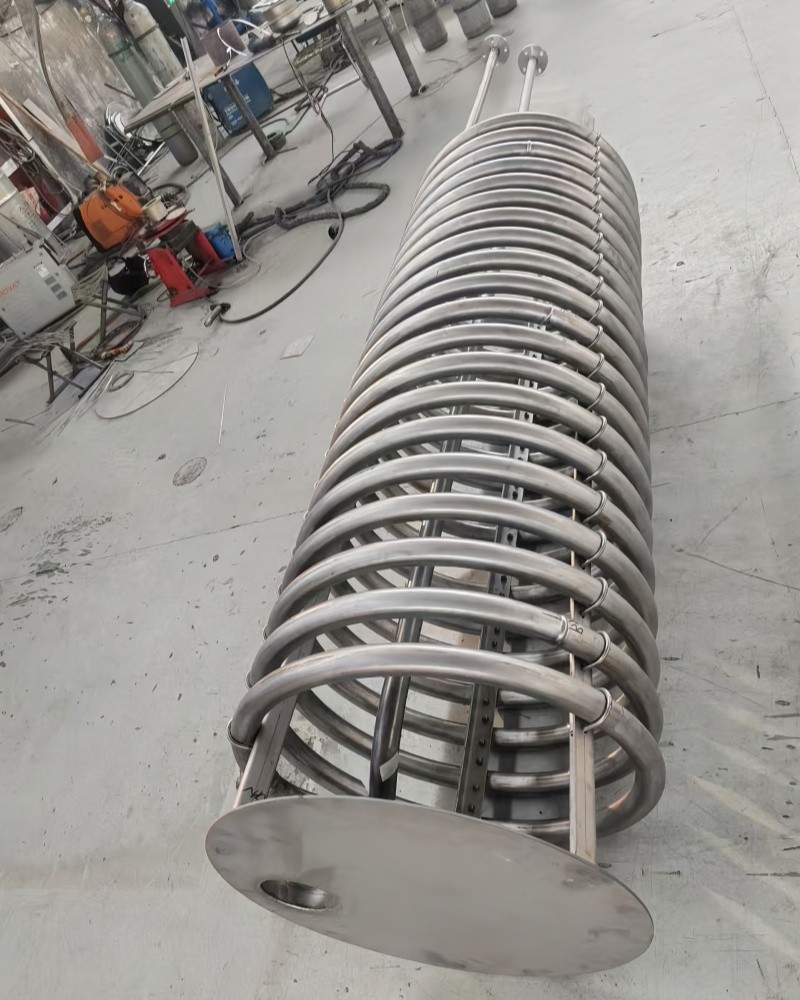
Pipe selection (basic material), choose the appropriate grade of seamless titanium pipe material, with a focus on the wall thickness of the titanium pipe. Common grades include industrial pure titanium TA1 and TA2 (corresponding to American standard Gr1 and Gr2), as well as more corrosion-resistant TA9 and TA10.
Extension and cleaning. The length of standard titanium pipes is limited, and multiple straight pipes need to be welded together to form long pipes. Before welding, the interface must be thoroughly cleaned with acetone or alcohol to remove oil stains and oxide films. The welding wire should also be pickled clean.
Special coil machines or molds are used for cold bending in coil forming. According to design requirements, bend into a spiral, rectangular coil or multi-layer structure. Titanium has a large rebound, and the mold design and bending parameters need to be accurately calculated to ensure that the final size meets the standard. Complex structures will also be matched with fixed components such as support plates and U-bolts.
Welding and protection (the most critical step): Titanium welding must be carried out under inert gas (high-purity argon) protection, commonly using argon arc welding. Argon gas (or water cooling protection) should be introduced inside the pipe, and a protective cover should be placed outside the pipe to cover the high-temperature area and prevent air from entering. When the welding temperature exceeds a certain range, it is easy to become brittle due to gas absorption. Therefore, it is necessary to strictly control the interlayer temperature and check the color of the weld seam after welding (silver white is best, deep blue or gray white often indicate poor protection).
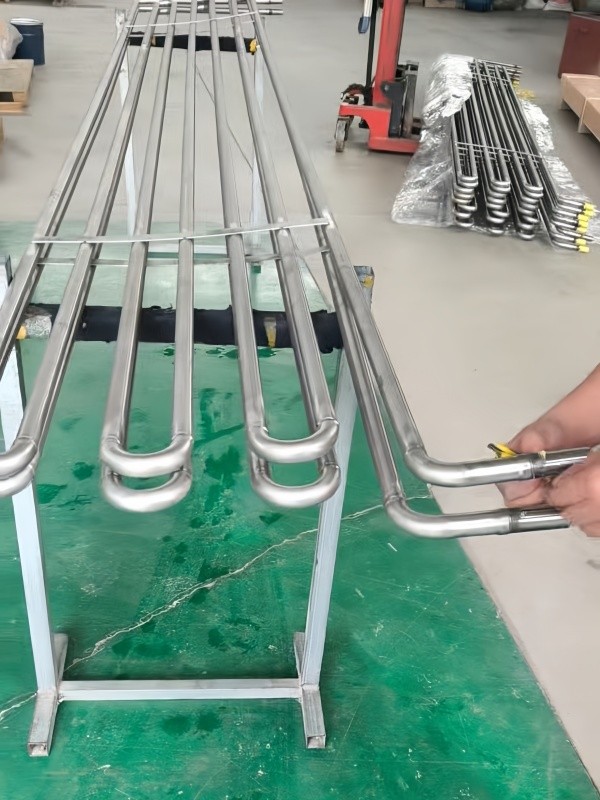
Inspection and post-processing. Including visual inspection, dimensional measurement, non-destructive testing (ultrasonic), hydrostatic testing, etc., to ensure no leakage or defects. The entire process requires high cleanliness, protective gas purity, and operating standards, which is also an important reason why the cost of titanium coils is higher than that of ordinary stainless steel coils.
Where is titanium coil mainly used? Titanium coil has almost become synonymous with "corrosion environment heat transfer", and its applications include:
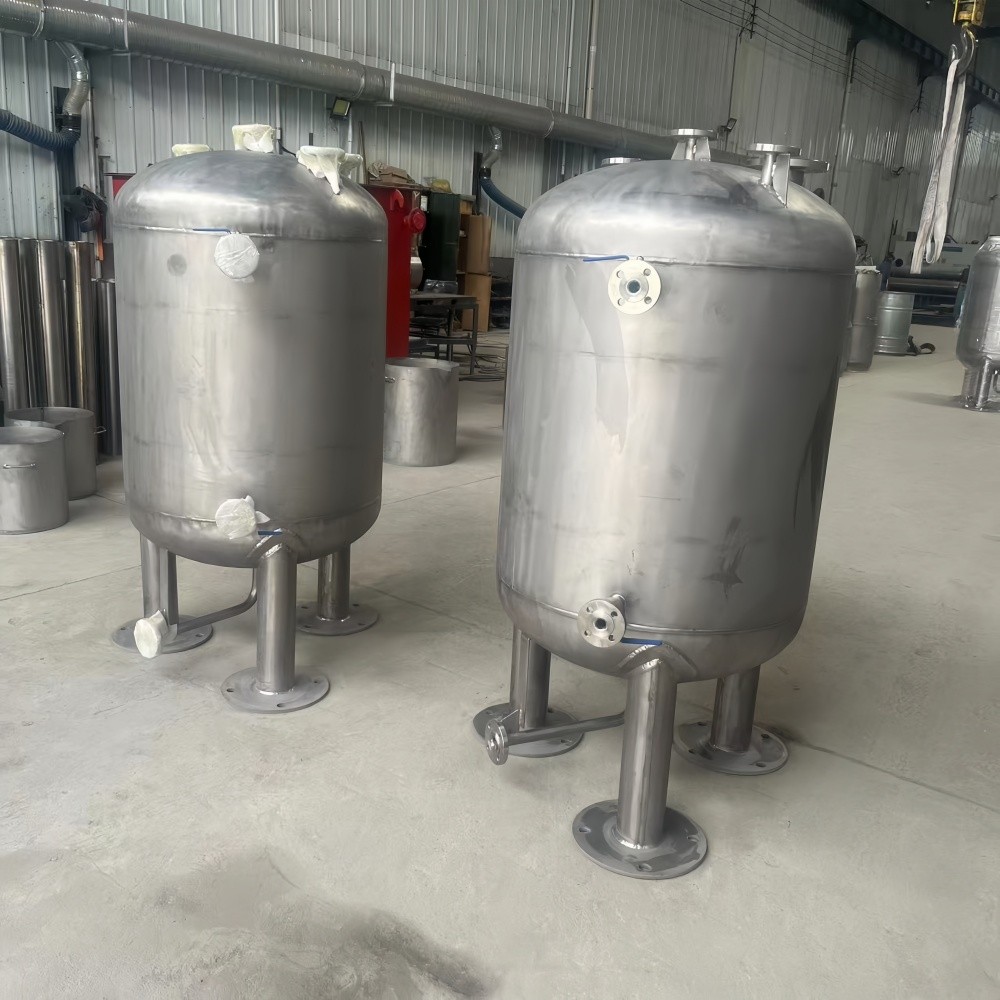
Chemical and petrochemical industries: Heating/cooling inside reaction vessels, evaporators, and condensers, especially suitable for highly corrosive media such as chlor alkali, pesticides, dyes, and titanium dioxide. Seawater related: seawater desalination, marine engineering, ship cooling systems, with a corrosion resistance life far exceeding that of copper alloys and stainless steel.
Titanium coils, never standing under the spotlight, silently guard the temperature and safety in those harsh environments. When you have the chance to catch a glimpse of those silver white spiral tubes, why not take a second look. With the continuous development of industries such as seawater desalination, chemical engineering, and pharmaceuticals, the demand for corrosion-resistant and long-life heat exchange equipment will only increase. Titanium coils, with their excellent comprehensive performance, are expected to appear in more scenarios. Only by continuously improving processes, reducing costs, and improving relevant standards and supply chains can titanium coils truly transform from a "high-end choice" to a more affordable industrial solution.
 +86-0917-3217876
 18292732691
 No. 28, Middle section of Baotai Road, Gaoxin Developing District, Baoji, Shaanxi
 marketing@ymdtitanium.com
 www.ymdtitanium.com


 English
 简体中文

 18292732691
 marketing@ymdtitanium.com
 zyh2968808781
 +86 18292732691
 .cid.b0f8e930cd0ba28e
