
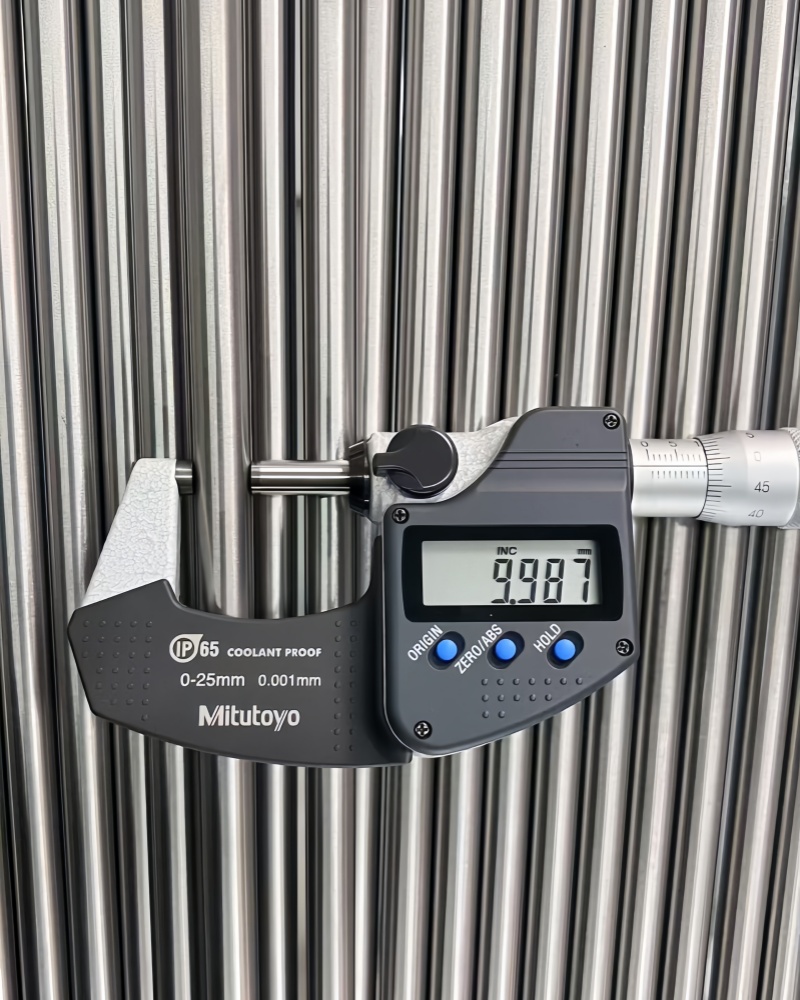
Titanium is known as the "21st century metal" or "space metal" and is widely used in aerospace, chemical, medical, marine engineering, automotive and other fields. The role of intermediate alloys is indispensable.
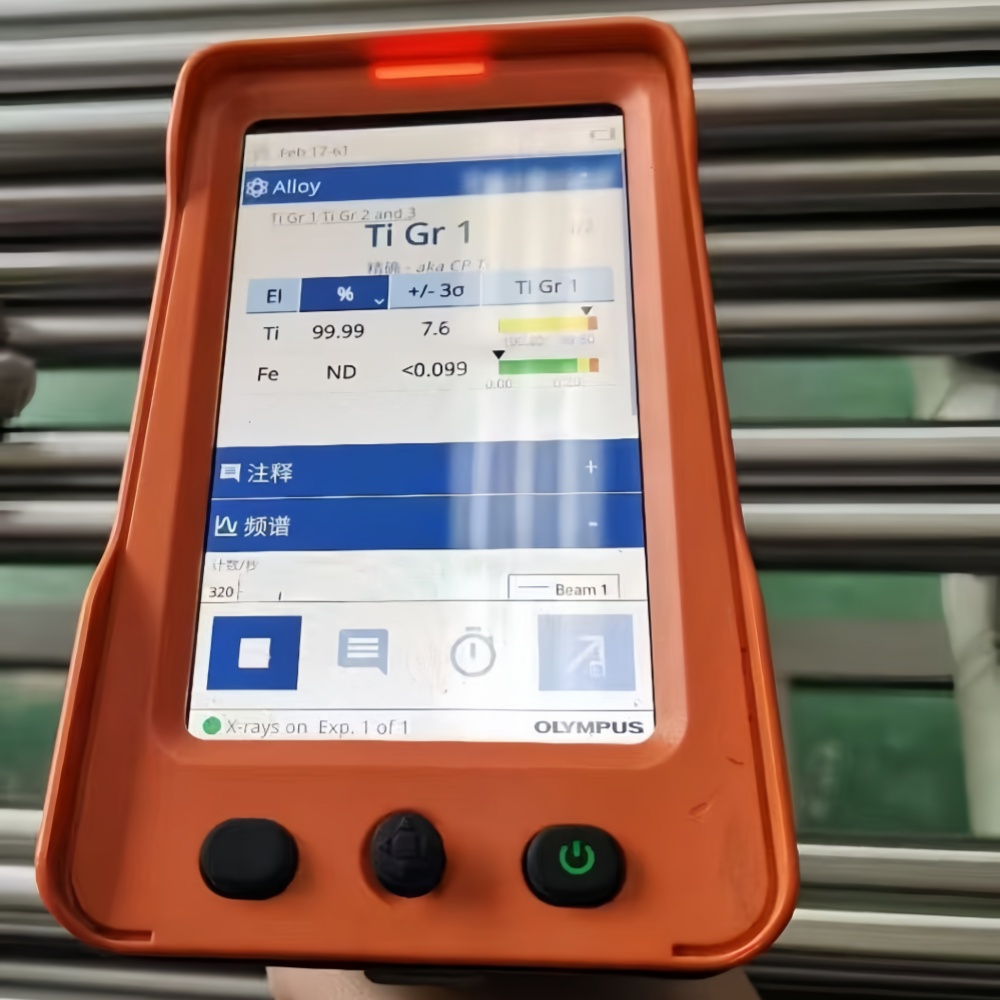
We know that the transition temperature of titanium and titanium alloys is 882 ℃. According to different stable elements, titanium alloys are divided into alpha type, near alpha type, and alpha+beta type (TC series, such as the most famous TC4/Ti-6Al-4V). Sponge titanium is the basic raw material for titanium and titanium alloys, and is the "main material". The intermediate alloys that determine the special properties of titanium and titanium alloys, such as aluminum, vanadium, molybdenum, etc., are the "seasonings".
Pure titanium has a high melting point (about 1668 ℃), and many alloying elements (such as V, Mo, Nb) have higher melting points and greater density differences. Directly adding pure metal can easily lead to component segregation, refractory residue, high burning loss, and uneven distribution. Intermediate alloys (also known as gap metals) are the key to solving these problems.
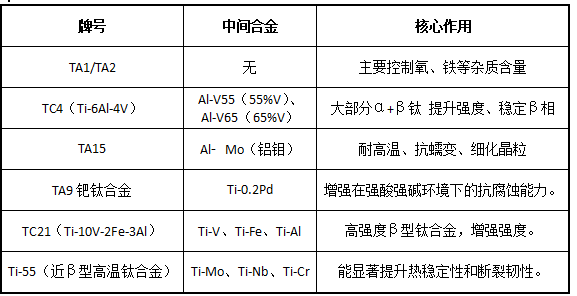
There is a strict correspondence between intermediate alloy and titanium alloy grades. Different titanium alloy grades require the use of intermediate alloys with specific chemical compositions. The amount of intermediate alloy added is accurately calculated based on the target composition (such as about 6% Al and about 4% V in TC4), combined with sponge titanium melting, to ensure that impurity gas elements (O, N, C, Fe, H) are within the standard range.
There are various types of intermediate alloys, ranging from binary to multiple, from "universal" to "specialized". Generally classified by the number of constituent elements:
Binary intermediate alloys such as vanadium aluminum (Al-V) and molybdenum aluminum (Al Mo). They account for over 80% of the usage of conventional intermediate alloys in titanium and titanium alloy intermediate alloys.
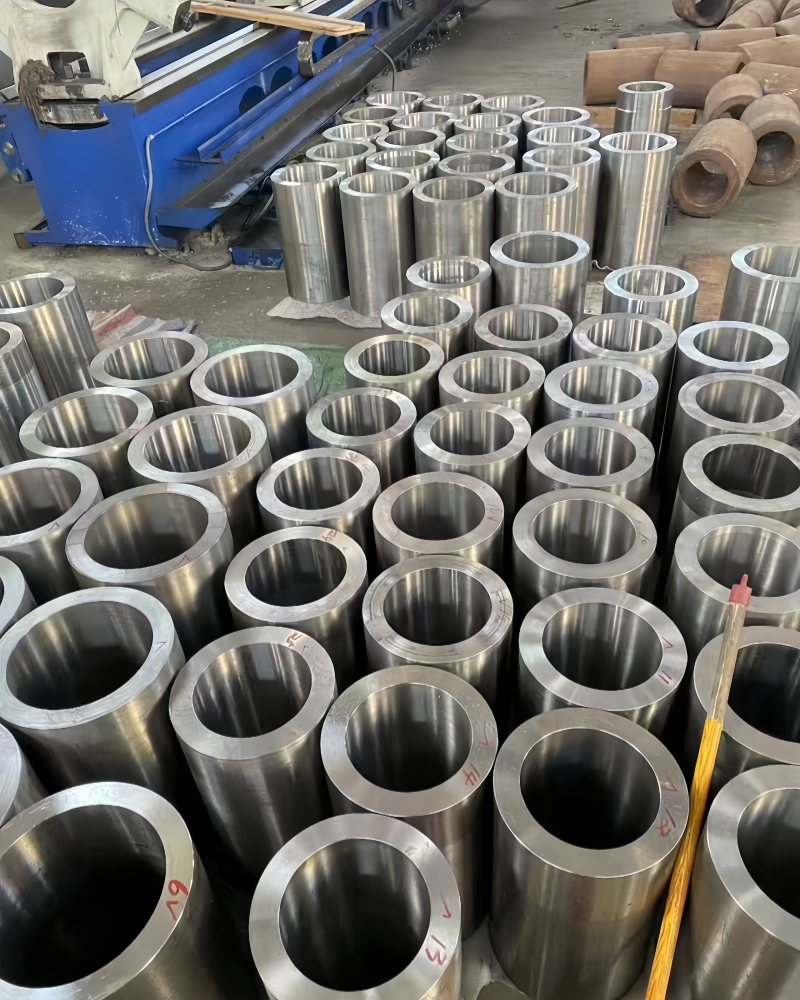
Multivariate intermediate alloys: such as vanadium aluminum iron (V-Al Fe), aluminum molybdenum chromium iron silicon (Al Mo Cr Fe Si). The use of multi-element alloys can package and add multiple elements, not only simplifying the operation, but also optimizing the microstructure of the alloy through the interaction between elements.
The selection of intermediate alloys: It's like using different intermediate alloys to make different dishes, and adding specific seasonings in precise proportions. Intermediate alloys are the seasonings that ensure precise and accurate taste.
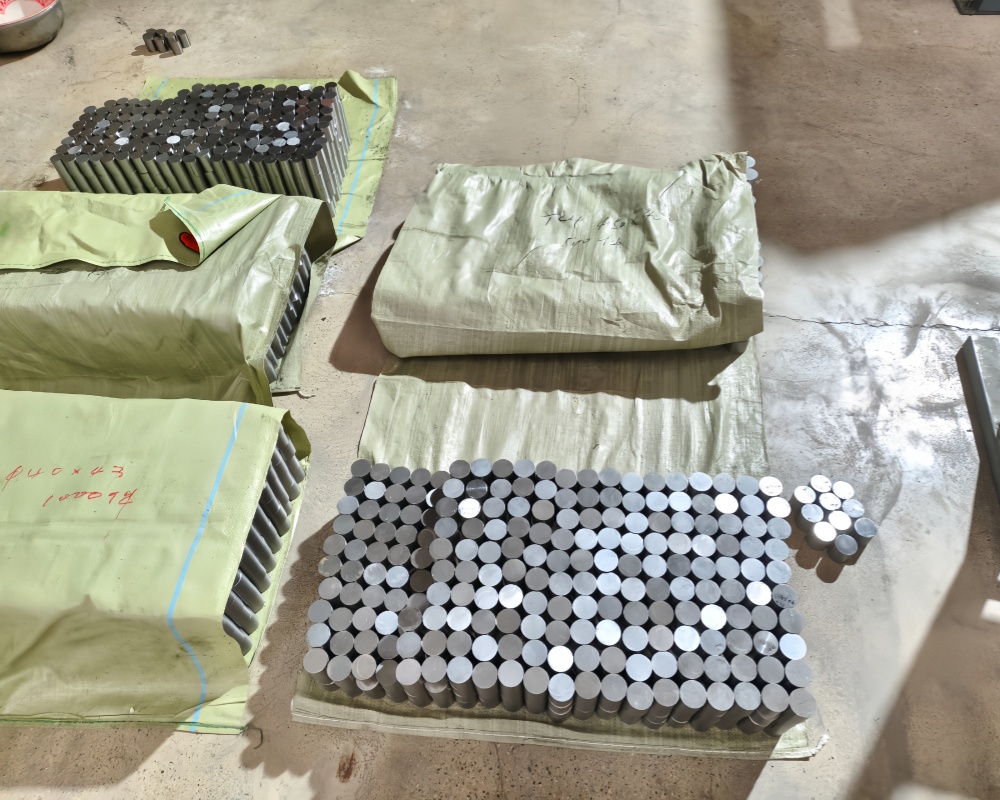
Although intermediate alloys are supporting materials for titanium alloy production, they are the core key materials that determine the upper limit of titanium alloy performance, ensure stability, and determine cost. It is these invisible "seasonings" that directly affect the quality and performance of titanium and titanium alloys. Although the intermediate alloy is small, its technical content is extremely high. From simple binary alloys to powerful multi-element alloys, every advancement in intermediate alloy technology is driving titanium and titanium alloys towards better directions.
 +86-0917-3217876
 18292732691
 No. 28, Middle section, Baoti Road, Weibin District, Baoji, Shaanxi
 marketing@ymdtitanium.com
 www.ymdtitanium.com


 English
 简体中文
简体中文
 18292732691
 marketing@ymdtitanium.com
 zyh2968808781
 +86 18292732691
 .cid.b0f8e930cd0ba28e
