
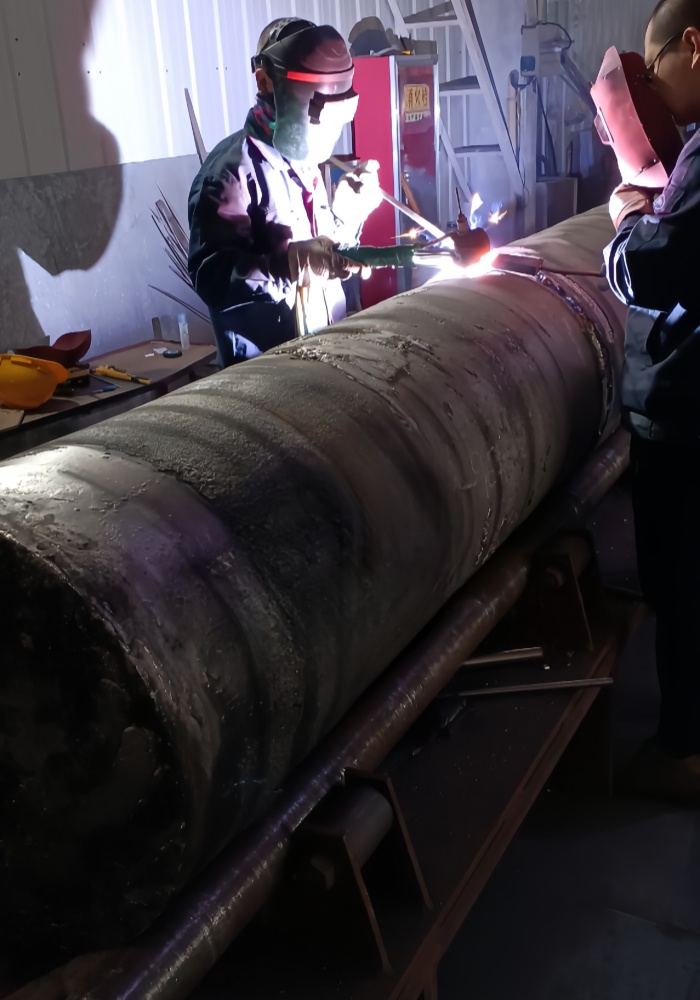
Vacuum consumable melting (VAR) is the "soul" of titanium and titanium alloys. It is an important step in determining whether the chemical composition of titanium materials is uniform and whether there is inclusion segregation. The qualification of titanium materials depends on vacuum consumable melting. Today, Baoji Yumingda Metal Materials Co., Ltd. will briefly discuss the differences between triple melting and double melting based on its own production and industry standards.
Vacuum consumable melting (VAR) is an advanced metallurgical process that uses direct current arc to melt consumable electrodes under vacuum conditions and re solidify them into ingots in a water-cooled copper crystallizer. It is a multidisciplinary science.
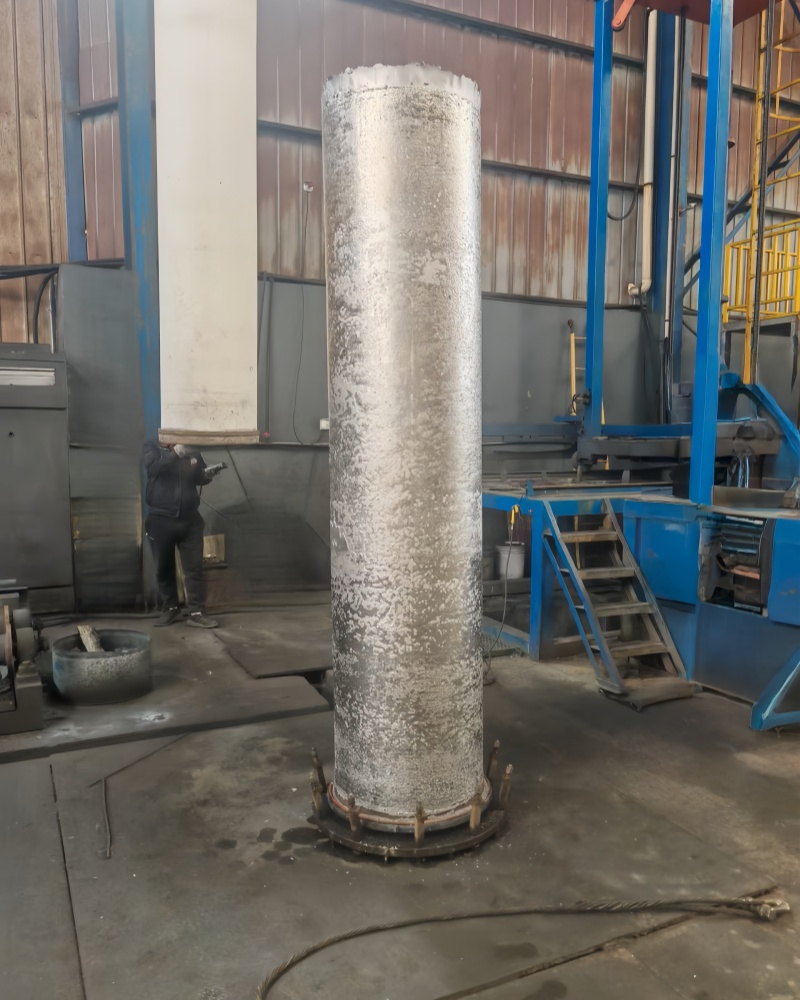
When I first started working in the titanium alloy industry, I couldn't understand why some titanium ingots require secondary melting while others require tertiary melting. After more than a decade of experience in this industry, I gradually understand the difference between secondary melting and tertiary melting? Fundamentally, the core difference between triple melting and secondary melting lies in the purity of the material and the level of defect control. An inappropriate example: When washing clothes, rinsing them three times is cleaner and more thorough than rinsing them twice.
The core idea of triple melting is the process of "multiple remelting and gradual optimization". The secondary melting and tertiary melting processes are the same. All follow the cycle mode of "electrode melting molten pool solidification titanium ingot reuse", where the ingot melted in the previous cycle will serve as the consumable electrode for the next cycle, achieving step-by-step refining.
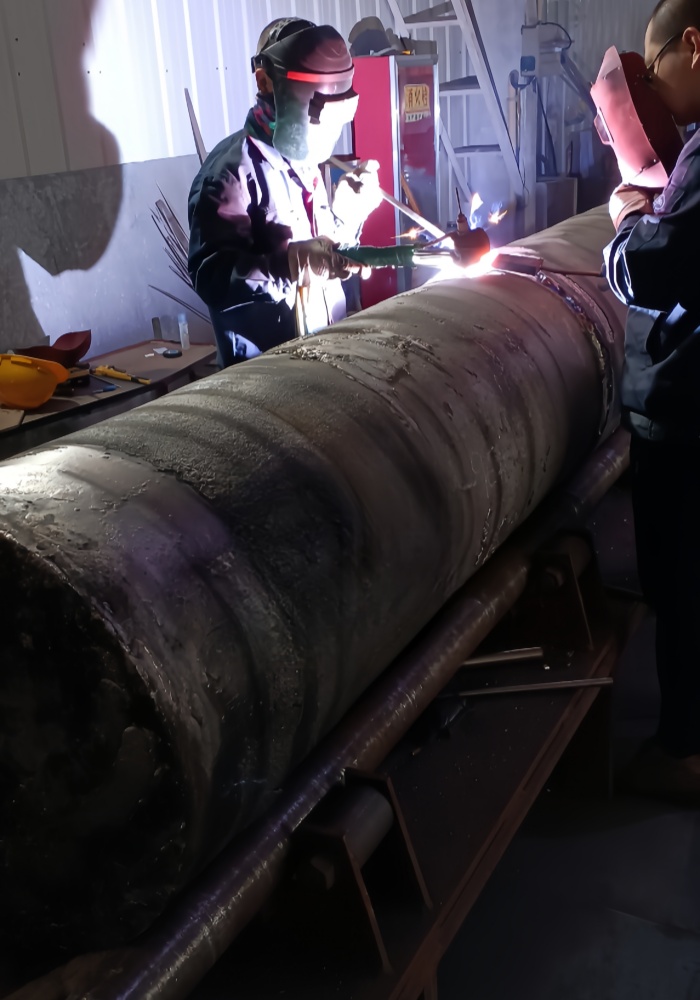
The essential difference in melting times: Secondary melting: usually using sponge titanium electrodes as raw materials, the finished titanium ingot is obtained after two remelting processes. The first smelting mainly removes gas impurities and macroscopic segregation, while the second smelting further homogenizes the composition and refines the structure. Triple melting: Add one melting on the basis of the secondary VAR, and use the secondary titanium ingot as an electrode for remelting again. This additional melting process is not simply repeated, but rather involves a longer period of high-temperature treatment to fully melt high melting point inclusions and further reduce gas impurity content.
Triple melting requires higher precision in controlling process parameters. For example, during the third melting process, it is necessary to strictly control the arc power and vacuum degree; At the same time, it is necessary to increase the shrinkage time, optimize the solidification structure of titanium ingots, and reduce center segregation and porosity defects.
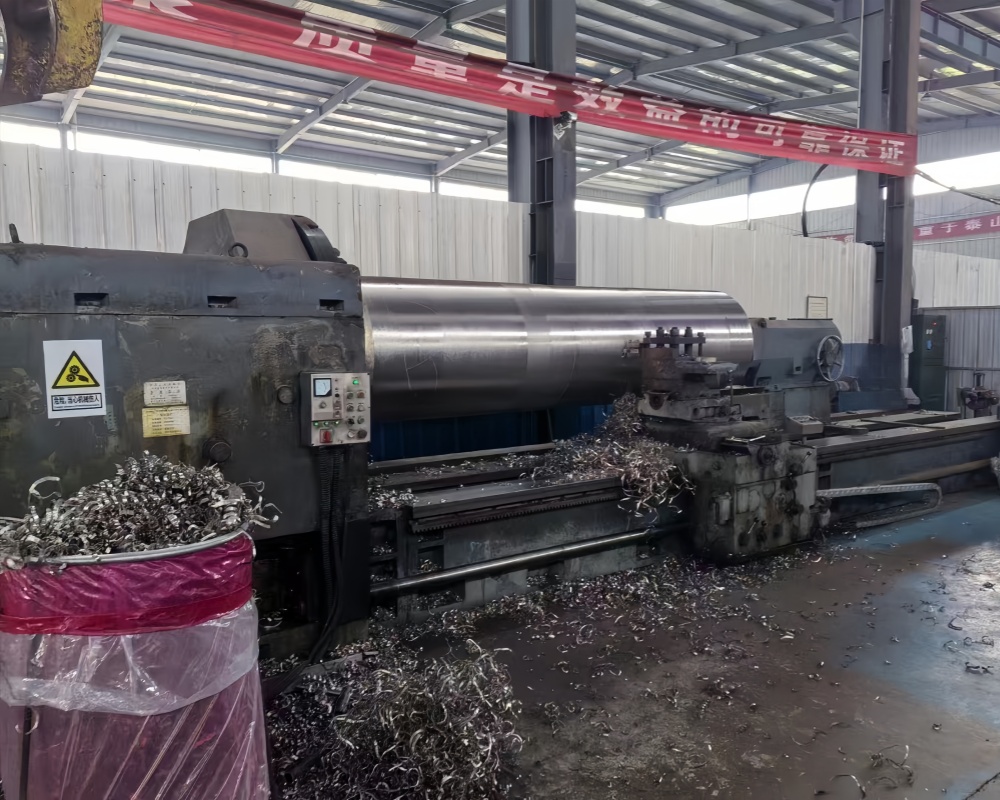
The production cost of tertiary melting is significantly higher than that of secondary melting, mainly due to increased energy consumption: the additional primary melting increases the total energy consumption by about 40%; Extended production cycle: The production cycle of three VARs is about 50% longer than that of two VARs, which reduces equipment utilization.
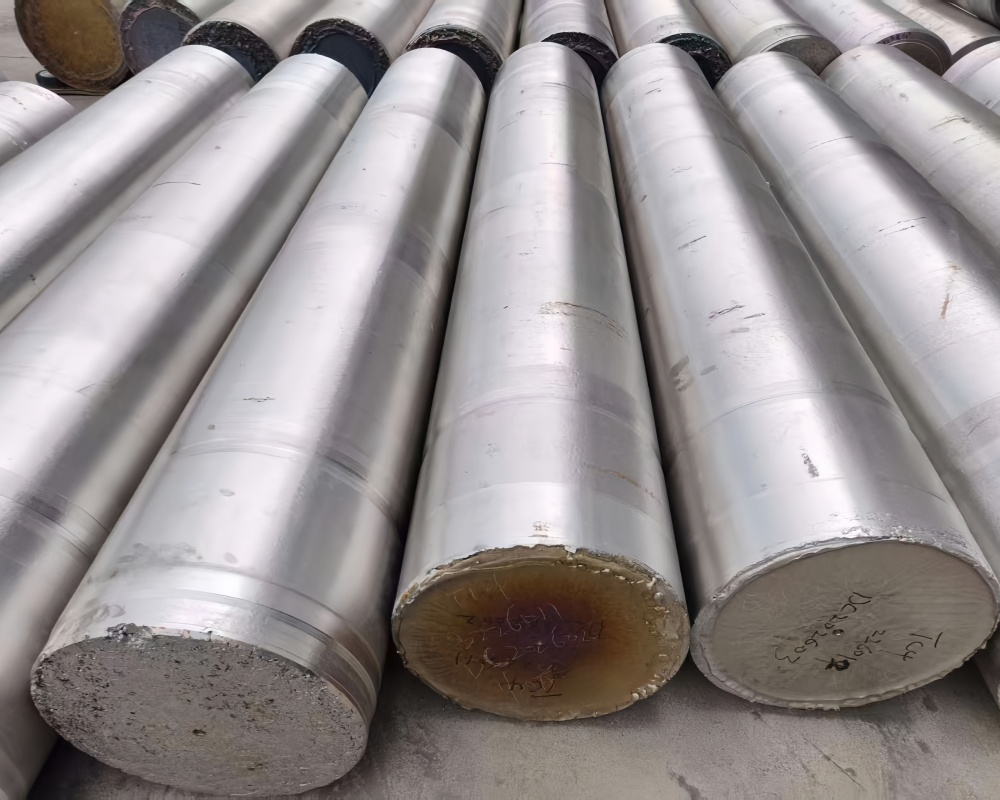
The use scenarios of titanium and titanium alloy materials produced by secondary melting and tertiary melting are different: secondary melting is applicable to titanium materials produced in the fields of industry, chemical industry and shipbuilding. Triple melting is suitable for high-end fields such as aerospace, medical implants, and target materials.
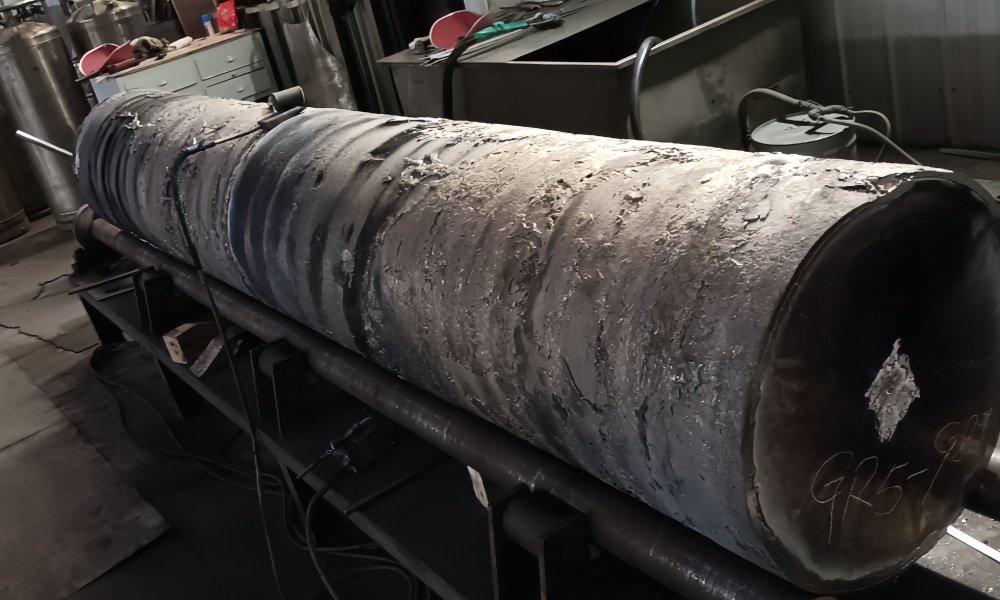
The difference between the tertiary melting and secondary melting processes of titanium and titanium alloys is essentially a game between high standard "performance limits" and "cost-effectiveness". Secondary melting, with its excellent cost-effectiveness, meets the needs of most titanium and titanium alloy products; And the three melting processes provide reliable support for key components through purification and organizational control. With the continuous development of the aviation and medical industries, the requirements for material performance will continue to increase. The triple melting process is expected to be widely applied in high-end manufacturing, and will also promote the advancement of melting technology towards higher efficiency and intelligence.
 +86-0917-3217876
 18292732691
 No. 28, Middle section, Baoti Road, Weibin District, Baoji, Shaanxi
 marketing@ymdtitanium.com
 www.ymdtitanium.com


 English
 简体中文
简体中文
 18292732691
 marketing@ymdtitanium.com
 zyh2968808781
 +86 18292732691
 .cid.b0f8e930cd0ba28e
